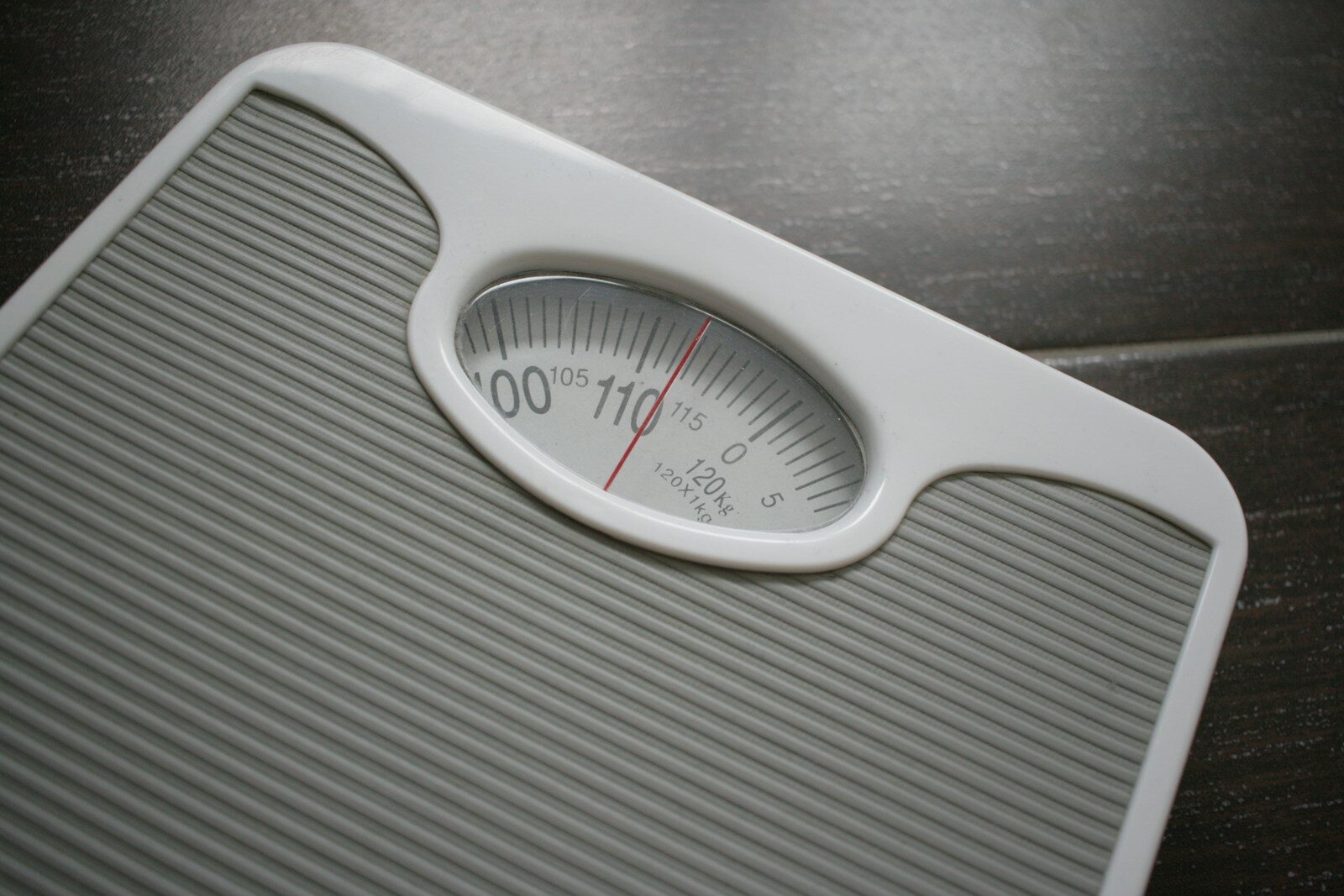
You’ve been diligently following your post-surgery diet, staying active, and watching the scale drop steadily – until suddenly, it doesn’t. The number hasn’t budged in weeks, despite doing everything your surgical team recommended. This experience, known as a weight loss plateau, affects approximately 85% of bariatric surgery patients at some point during their journey.
Plateaus can be incredibly frustrating, especially when you’re working hard and seeing no visible results. But understanding why they happen and what you can do about them can help you push through this challenging phase. The good news? Plateaus are a normal biological response, not a sign that your surgery has failed or that you’ve done something wrong.
Here’s what causes weight loss plateaus after bariatric surgery and the evidence-based strategies that can help you overcome them and continue making progress toward your health goals.
Why Weight Loss Plateaus Happen: The Science Behind the Stall
When you first have gastric sleeve or gastric bypass surgery, weight typically comes off quickly. Your body is burning stored fat for energy because you’re consuming far fewer calories than before. But as weeks turn into months, your body begins adapting to this new reality.
The primary reason for plateaus is metabolic adaptation – your body’s natural response to weight loss. As you lose weight, your body requires fewer calories to function. A person weighing 250 pounds burns more calories just existing than someone weighing 180 pounds, even if they’re the same height and activity level.
According to research published by the National Institutes of Health, your resting metabolic rate can decrease beyond what your weight loss alone would predict. This phenomenon, called adaptive thermogenesis, means your body becomes more efficient at conserving energy.
Hormonal Changes That Affect Weight Loss
Your body also undergoes significant hormonal shifts during weight loss. Leptin, the hormone that promotes satiety (feeling full), decreases. Meanwhile, ghrelin, your hunger hormone, increases. These changes can make you feel hungrier and less satisfied after meals, even months after surgery when your pouch or sleeve has stretched slightly.
Other hormonal changes include reduced levels of GLP-1 and peptide YY, both of which help regulate fullness. These shifts are your body’s way of defending against what it perceives as starvation, even though you’re intentionally creating a calorie deficit for health reasons.
Common Causes of Weight Loss Plateaus
Beyond normal metabolic adaptation, several specific factors can contribute to plateaus in bariatric surgery patients.
Calorie Creep and Portion Distortion
Over time, it’s natural for portion sizes to gradually increase. What started as 2 ounces of protein might slowly become 4 ounces. Those occasional bites of your child’s snack become daily habits. Research shows that people often underestimate their calorie intake by 20% or more, even when they think they’re tracking carefully.
Many patients also experience “calorie amnesia” – forgetting about the cream in their coffee, the handful of nuts while cooking, or the taste-testing while meal prepping. These small amounts can add up to several hundred calories daily without you realizing it.
Decreased Physical Activity
As you lose weight and your body adapts, you naturally expend fewer calories during the same activities. Walking a mile at 180 pounds burns fewer calories than walking that same mile at 250 pounds. Additionally, you might unconsciously move less throughout the day – a concept called NEAT (non-exercise activity thermogenesis) that includes fidgeting, taking the stairs, and other daily movements.
Loss of Muscle Mass
Without adequate protein intake and resistance training, you lose muscle along with fat during weight loss. Since muscle tissue burns more calories at rest than fat tissue, losing muscle further slows your metabolism. This makes maintaining your weight loss more challenging over time.
Breaking Through: Nutrition Strategies That Work
The most effective way to overcome a plateau is to reassess and adjust your eating habits with precision and honesty.
Track Everything for One Week
Conduct a detailed food audit for 3-5 days. Measure portions using a food scale, not estimating. Track every bite, including cooking oils, condiments, and beverages. You might discover you’re consuming 200-400 more calories daily than you realized. This information is powerful – you can’t fix what you don’t measure.
Increase Protein Intake
Protein should be your priority at every meal. Aim for 60-80 grams daily, or about 0.7-1.0 grams per pound of your goal body weight. Protein increases satiety, helping you feel fuller longer. It also requires more energy to digest than carbohydrates or fats, slightly boosting your metabolic rate. Additionally, adequate protein preserves muscle mass during weight loss.
Good protein sources include lean meats, fish, eggs, Greek yogurt, and protein shakes. If you’re consistently falling short of your protein goals, consider scheduling a consultation with a registered dietitian who specializes in bariatric nutrition.
Manage Carbohydrates Strategically
Focus on complex carbohydrates from vegetables, fruits, and whole grains rather than refined sugars and processed foods. These provide fiber, which improves satiety and helps regulate blood sugar levels. Limit simple carbohydrates that can trigger dumping syndrome in gastric bypass patients or cause rapid blood sugar spikes and crashes.
Exercise Adjustments to Restart Progress
If you’ve been doing the same exercise routine for months, your body has adapted and burns fewer calories during those activities. It’s time to increase the challenge.
Add Resistance Training
Strength training builds muscle mass, which increases your resting metabolic rate. You don’t need a gym membership – bodyweight exercises like squats, push-ups, and lunges work well. Aim for 2-3 sessions weekly, targeting all major muscle groups. As you build strength, your body burns more calories even at rest.
Increase Aerobic Activity
The American Heart Association recommends at least 150 minutes of moderate-intensity aerobic exercise weekly for weight maintenance, but 200-300 minutes may be needed for continued weight loss. This might mean extending your 30-minute walks to 45 minutes, or adding an extra workout day to your week.
Vary your activities to prevent adaptation. If you usually walk, try swimming or cycling. Change your route to include hills. These variations challenge your body in new ways and prevent the efficiency that leads to plateaus.
Increase Daily Movement (NEAT)
Non-exercise activity can account for several hundred calories daily. Small changes make a difference: take the stairs instead of the elevator, park farther from store entrances, stand while talking on the phone, or set a timer to move for 5 minutes every hour. Track your daily steps and aim to gradually increase them – even adding 2,000 steps daily can help restart weight loss.
Lifestyle Factors That Impact Weight Management
Weight loss isn’t just about diet and exercise. Other aspects of your daily life significantly affect your ability to lose weight and maintain results.
Prioritize Sleep
Research consistently shows that insufficient sleep disrupts hunger hormonal balance. When you’re sleep-deprived, ghrelin (hunger hormone) increases while leptin (satiety hormone) decreases, making you hungrier and less satisfied after eating. Additionally, poor sleep elevates cortisol, a stress hormone that promotes fat storage, particularly around your midsection.
Aim for 7-9 hours of quality sleep nightly. Establish a consistent sleep schedule, create a dark and cool bedroom environment, and avoid screens for at least an hour before bed.
Manage Stress Effectively
Chronic stress elevates cortisol levels, which can increase appetite and promote fat storage. Stress also often triggers emotional eating behaviors, particularly cravings for high-calorie comfort foods. Many bariatric surgery patients previously used food as a coping mechanism, making stress management particularly important for long-term success.
Find healthy stress management techniques that work for you: meditation, deep breathing exercises, journaling, therapy, or connecting with others through support groups. CBSI offers monthly support groups on the first Thursday of each month from 5:30-7pm, providing a space to share experiences and strategies with others who understand your journey.
When to Consider Additional Support
Sometimes, despite your best efforts with diet and exercise, plateaus persist. This doesn’t mean you’ve failed – it means your body may need additional help to continue losing weight.
Medical Options to Discuss With Your Surgeon
If you’ve implemented lifestyle changes for 4-6 weeks without progress, schedule a follow-up appointment with your bariatric surgeon. They can assess whether medical factors are contributing to your plateau, such as thyroid dysfunction, medication side effects, or other health conditions.
For some patients, GLP-1 medications like the benefits of Ozempic for weight loss or Wegovy may help overcome persistent plateaus by reducing hunger and improving satiety. These medications work by mimicking hormones that regulate appetite and food intake.
Revisional Surgery Considerations
For patients who experience significant weight regain or inadequate initial weight loss, revisional surgery may be appropriate. This is particularly relevant for patients whose original procedure was a gastric band, which has higher failure rates than sleeve or bypass procedures.
Revisional surgery isn’t a first-line solution for plateaus, but it’s an option worth discussing if you’ve regained substantial weight or never achieved adequate weight loss with your initial procedure.
Setting Realistic Expectations and Celebrating Progress
Understanding what constitutes realistic weight loss progress helps prevent discouragement during plateaus. Most bariatric surgery patients lose the majority of their excess weight within the first 12-18 months after surgery, with weight loss typically slowing around the 6-month mark.
Remember that healthy weight loss isn’t always linear. Weeks of steady progress may be followed by plateaus, then sudden drops. This pattern is completely normal and doesn’t indicate that you’re doing anything wrong.
Look Beyond the Scale
The number on the scale doesn’t tell the whole story of your health transformation. During plateaus, you might be building muscle while losing fat, resulting in minimal scale changes despite your body composition improving. Track other indicators of progress: how your clothes fit, your energy levels, medication reductions, improved blood work, better sleep quality, reduced joint pain, and increased fitness capacity.
Many patients find that even when the scale stalls, they drop a clothing size or notice their wedding ring fitting more loosely. These non-scale victories are important markers of your health improvements.
Breaking through a weight loss plateau requires patience, honest self-assessment, and strategic adjustments to your eating and activity habits. Most importantly, plateaus are temporary. They don’t mean your surgery has stopped working – they mean your body needs you to make some changes to continue progressing.
If you’re experiencing a persistent plateau despite implementing these strategies, it may be time to seek professional guidance. During your consultation, ask your surgeon or dietitian: What are the most common causes of plateaus at my stage post-surgery? Should I adjust my protein or calorie targets based on my current weight? Are there medical factors I should investigate? What specific changes would you recommend for my situation?
CBSI offers comprehensive support for bariatric surgery patients, including 90-day unlimited follow-ups and ongoing nutritional guidance. If you’re struggling with a plateau or wondering whether you’re a candidate for bariatric surgery, schedule a free insurance evaluation to discuss your options with Dr. Wanda Good or Dr. Paul Rozeboom. Our team provides bilingual English and Spanish support to ensure you have the resources you need for long-term success.