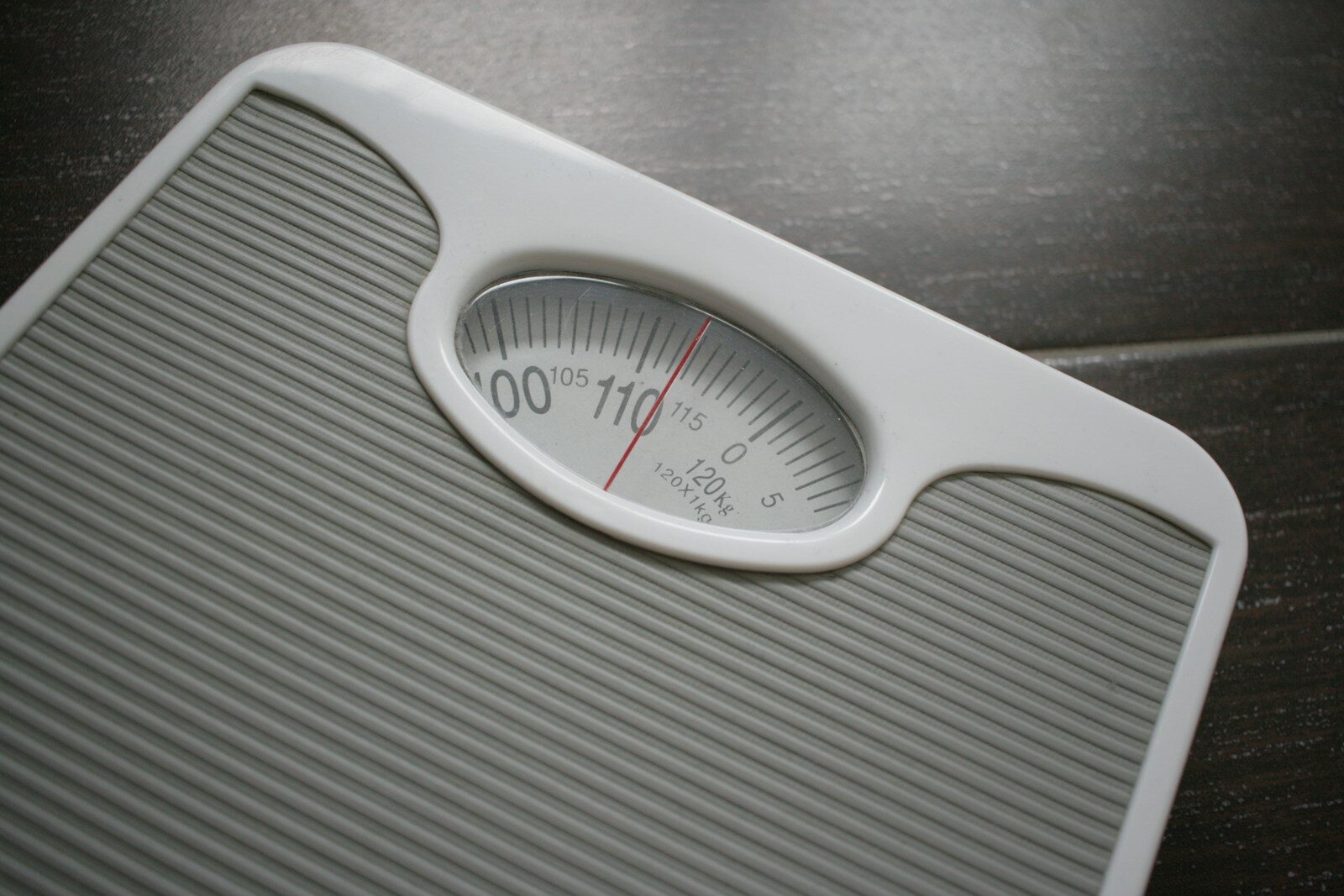
If you’re living with type 2 diabetes and struggling with weight management, you’re facing some important treatment decisions. You’ve likely heard about medications like Trulicity, Ozempic, and Jardiance—and maybe you’re wondering which approach will truly help you achieve lasting results. This isn’t just about blood sugar numbers on a test result; it’s about regaining your energy, reducing your health risks, and feeling like yourself again.
The landscape of diabetes treatment has expanded significantly in recent years. While medications can be powerful tools, understanding how they compare—and when more comprehensive approaches like bariatric surgery might be appropriate—can help you make the best decision for your long-term health. Let’s explore your options with clarity and compassion.
Understanding Trulicity and GLP-1 Receptor Agonists
Trulicity (dulaglutide) belongs to a class of medications called GLP-1 receptor agonists. These medications work by mimicking a natural hormone in your body that helps regulate blood sugar and appetite. You take Trulicity as a once-weekly injection, which many patients find more convenient than daily medications.
GLP-1 medications help your pancreas release insulin when your blood sugar rises and slow down how quickly food leaves your stomach. This can help you feel fuller longer, which often leads to weight loss—an important benefit since weight and type 2 diabetes are closely connected.
According to research from the National Institute of Diabetes and Digestive and Kidney Diseases, medications that address both blood sugar control and weight management offer significant advantages for many patients with type 2 diabetes. Common side effects include nausea, diarrhea, and stomach discomfort, which typically improve as your body adjusts.
How Trulicity Compares to Other GLP-1 Medications
You might also be considering Ozempic (semaglutide) or other GLP-1 medications. Studies show that while all GLP-1 receptor agonists work similarly, they’re not identical in their effects. Semaglutide 1.0 mg has demonstrated slightly greater reductions in A1C and body weight compared to higher doses of Trulicity in comparative trials.
However, “better on paper” doesn’t always mean better for you personally. Some patients tolerate one medication better than another. Your insurance coverage, injection frequency preference (weekly versus weekly), and how your body responds all matter in this decision.
The good news is that if one GLP-1 medication doesn’t work well for you, your doctor can help you try alternatives. Trulicity for weight loss and diabetes management remains an effective option for many patients, particularly those who prioritize the convenience of a user-friendly injection device.
SGLT2 Inhibitors: A Different Approach to Diabetes Management
Jardiance (empagliflozin) represents a completely different class of diabetes medication called SGLT2 inhibitors. Instead of affecting how your body produces insulin, these medications work through your kidneys—helping your body eliminate excess sugar through urine.
SGLT2 inhibitors offer unique benefits beyond blood sugar control. Research has shown significant cardiovascular and kidney protective effects, which is why Jardiance is often recommended for patients with heart failure or chronic kidney disease alongside their diabetes.
The main differences from Trulicity? Jardiance is a daily pill rather than an injection, typically causes less nausea, but may increase your risk of urinary tract infections or yeast infections. Weight loss with SGLT2 inhibitors tends to be modest—usually less than what patients experience with GLP-1 medications.
Traditional Diabetes Medications and Their Limitations
Older diabetes medications like metformin, sulfonylureas, and insulin still play important roles in diabetes treatment. Metformin remains the first-line medication for most people newly diagnosed with type 2 diabetes—it’s effective, inexpensive, and has decades of safety data.
However, these traditional approaches have limitations when it comes to weight management. Insulin and sulfonylureas can actually cause weight gain, which creates a frustrating cycle for patients who need to lose weight to improve their diabetes.
If you’ve been taking traditional diabetes medications for years and still struggle with weight and blood sugar control, you’re not failing—you may simply need a more comprehensive approach. According to the American Society for Metabolic and Bariatric Surgery, obesity is a complex disease that often requires treatment beyond medication alone.
When Medication Alone May Not Be Enough
Here’s an important truth that deserves your attention: while diabetes medications like Trulicity can be highly effective, they work best when combined with lifestyle changes. For some patients, particularly those with a BMI over 35 or obesity-related health conditions, medication alone may not provide the lasting results you’re hoping for.
Research consistently shows that medications require ongoing use—if you stop taking them, blood sugar levels and weight typically return to previous levels. This isn’t a failure of willpower; it’s how these medications work. They manage symptoms rather than addressing the underlying metabolic changes.
Many patients find themselves on increasing numbers of medications, managing side effects, and still not achieving their health goals. If this sounds familiar, it may be time to consider whether a more definitive approach could better serve your long-term health.
Bariatric Surgery: A Comprehensive Metabolic Solution
Bariatric surgery offers something fundamentally different from medication management—it creates lasting metabolic changes that can lead to diabetes remission. Procedures like gastric sleeve and gastric bypass change how your body processes food and regulates hormones involved in hunger, fullness, and blood sugar control.
Studies show that many patients with type 2 diabetes who undergo bariatric surgery experience complete remission or significant improvement—often reducing or eliminating their need for diabetes medications entirely. This isn’t just about weight loss (though that’s an important benefit); it’s about changing the underlying metabolic dysfunction.
The decision to pursue surgery is significant, and it’s normal to feel apprehensive. But for appropriate candidates, bariatric surgery can provide the lasting transformation that medications alone cannot achieve. At the Colorado Bariatric Surgery Institute, we use advanced robotic techniques that offer improved precision, fewer complications, and faster recovery compared to traditional approaches.
Making the Right Choice for Your Health Journey
There’s no single right answer for everyone when comparing Trulicity versus other diabetes treatments. Your best path forward depends on your individual health status, how long you’ve had diabetes, other medical conditions, your lifestyle, and your long-term health goals.
Medications like Trulicity, Ozempic, and Jardiance can be excellent tools, particularly in earlier stages of diabetes or for patients who aren’t candidates for surgery. Many of our patients use these medications as part of their preparation for surgery or as support during their recovery.
What matters most is finding a comprehensive treatment approach that addresses your unique needs. If you’ve been managing diabetes with medication but still struggle with weight, worsening A1C levels, or increasing medication requirements, it’s worth exploring whether bariatric surgery could offer you a more definitive solution. Our team at Colorado Bariatric Surgery Institute provides free insurance evaluations and consultations to help you understand all your options—because making informed decisions about your health starts with having the right information and support.