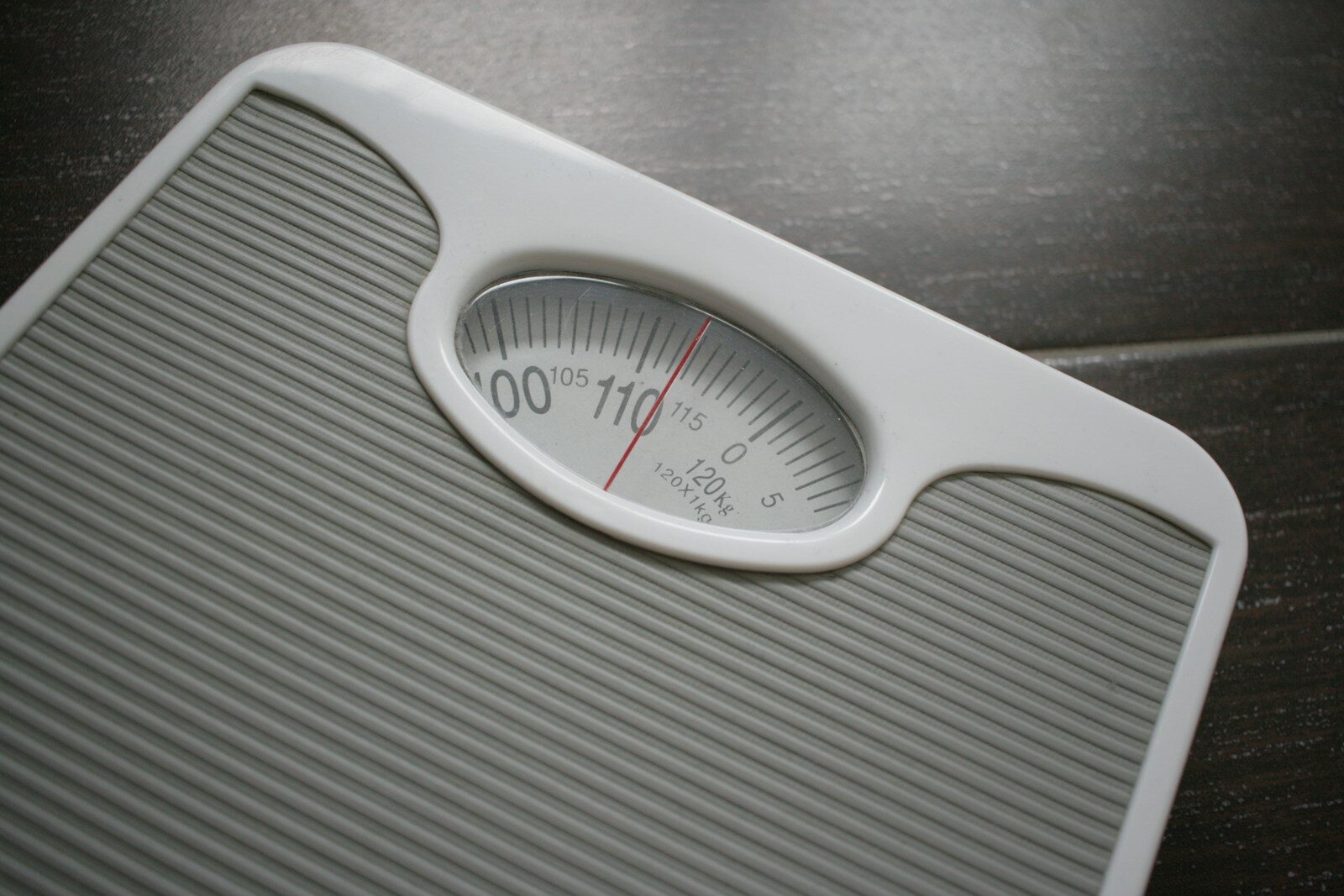
You’ve been taking Trulicity faithfully, watching the numbers on the scale drop steadily for months. The medication has been working—helping you manage your diabetes while also supporting meaningful weight loss. But recently, something has changed. The scale hasn’t budged in weeks, despite your continued efforts. You’re wondering if the medication has stopped working, if you’ve done something wrong, or if this is the end of your progress.
This experience is far more common than you might think, and it doesn’t mean you’ve failed or that your treatment journey is over. Weight loss plateaus while taking GLP-1 medications like Trulicity are a normal part of how your body responds to both weight loss and medication over time. Understanding why these plateaus happen—and knowing what options are available—can help you make informed decisions about your health moving forward.
Let’s explore what’s happening in your body, why Trulicity’s effects on weight loss can change, and what steps you can take to continue your journey toward better health.
Why Trulicity Works Differently Over Time
Trulicity (dulaglutide) belongs to a class of medications called GLP-1 receptor agonists. These medications work by mimicking a hormone your body naturally produces that signals fullness, slows digestion, and helps regulate blood sugar. When you first start Trulicity, your body is highly responsive to these signals—you feel fuller faster, experience reduced cravings, and may naturally eat less without feeling deprived.
However, your body is remarkably adaptive. Over time—typically around 12 to 18 months of treatment—your system begins adjusting to the medication’s presence. This doesn’t mean Trulicity stops working for diabetes management; clinical studies show it continues to effectively control blood sugar for years. But the weight loss effects often diminish as your body reaches a new equilibrium.
Additionally, as you lose weight, your metabolism naturally slows down. A smaller body requires fewer calories to function, which means the calorie deficit that initially produced weight loss becomes less effective. This metabolic adaptation is your body’s survival mechanism, not a sign of personal failure.
What a Weight Plateau Actually Means for Your Health
Reaching a plateau can feel discouraging, but it’s important to shift perspective on what this moment represents. If you’ve lost weight while taking Trulicity—even if it’s 5-10% of your starting weight—you’ve likely achieved significant health improvements. Research from the National Institute of Diabetes and Digestive and Kidney Diseases shows that losing just 5-10% of body weight can improve blood pressure, cholesterol levels, and blood sugar control.
A plateau doesn’t erase these gains. Your body is maintaining the healthier weight you’ve achieved, which is itself an accomplishment worth recognizing. Many people who lose weight without medication support regain it quickly; maintaining your loss while on Trulicity means the medication is still providing metabolic benefits.
That said, if you started your weight loss journey hoping for more significant changes—or if you’re still experiencing obesity-related health conditions—a plateau may signal it’s time to explore additional options rather than simply accepting where you are.
Common Reasons Behind Trulicity Weight Loss Plateaus
Several factors can contribute to weight loss stalling while taking Trulicity, and identifying which applies to you can help determine the best path forward.
Metabolic adaptation is often the primary culprit. As mentioned, your resting metabolic rate decreases as you lose weight. If you’ve lost 30 pounds, your body now burns approximately 150-200 fewer calories per day than it did at your starting weight, even if your activity level stays the same.
Medication tolerance can also develop. While Trulicity continues working for glucose control, the appetite-suppressing effects may become less noticeable over time. You might find yourself feeling hungrier than you did in the early months of treatment, making it harder to maintain the calorie deficit needed for continued weight loss.
Lifestyle factors play a significant role as well. It’s natural for eating and exercise habits to gradually shift over many months. You may be consuming slightly more calories than you realize, or your physical activity may have decreased as initial motivation wanes. These small changes don’t represent failure—they’re simply part of being human—but they can contribute to plateaus.
Strategies to Address a Trulicity Plateau
If you’re experiencing a plateau, several evidence-based approaches can help you move forward, though it’s essential to work with your healthcare provider rather than making changes independently.
Nutrition adjustments often provide the foundation for breaking through plateaus. Increasing your protein intake to 25-30% of total calories can help preserve muscle mass while promoting fat loss. Studies from the Mayo Clinic show that higher protein diets also have a slight metabolic advantage, helping your body burn more calories during digestion.
Resistance training becomes increasingly important as weight loss continues. Building or maintaining muscle mass through strength exercises 2-3 times per week can help offset the metabolic slowdown that accompanies weight loss. Muscle tissue burns more calories at rest than fat tissue, so preserving it supports long-term weight management.
Your doctor may also consider adjusting your Trulicity dosage if you’re not already at the maximum 4.5mg dose. However, never change your medication dose without medical supervision, as this can affect your blood sugar control and increase the risk of side effects.
When Medication Alternatives Make Sense
For some patients, switching to a different GLP-1 medication or combination therapy may provide renewed weight loss momentum. Medications like semaglutide (Wegovy) or tirzepatide (Mounjaro/Zepbound) work through similar mechanisms but have shown greater average weight loss in clinical trials—typically 15-20% of body weight compared to Trulicity’s 5-10%.
These medications aren’t necessarily “better” than Trulicity, but they may be more appropriate if weight loss is your primary goal alongside diabetes management. Your insurance coverage, tolerance of side effects, and overall health goals will all factor into whether switching makes sense for your situation.
Some patients also benefit from combination approaches that pair GLP-1 medications with other weight management strategies, including metabolic therapies or nutritional counseling. Your healthcare provider can help evaluate whether these options align with your needs and health status.
Considering Surgical Options for Long-Term Success
If you’ve experienced meaningful health improvements with Trulicity but have reached a plateau well above your goal weight—or if you have a BMI over 35 with obesity-related conditions—bariatric surgery may offer a more comprehensive solution.
Weight loss medications and bariatric surgery aren’t competing options; they serve different patient populations and goals. Medications work well for patients seeking moderate weight loss (5-15% of body weight), while surgical interventions typically produce 25-30% total body weight loss and can resolve or significantly improve conditions like type 2 diabetes, sleep apnea, and high blood pressure.
Modern bariatric procedures like the gastric sleeve or gastric bypass are performed robotically with faster recovery times than ever before. These aren’t “giving up” on medication—they’re choosing a different tool that addresses obesity through physical changes to your digestive system rather than relying solely on hormonal signaling.
Many patients find that surgery provides the reset they need to achieve health goals that medication alone couldn’t reach, while also reducing or eliminating the need for daily or weekly injections.
Moving Forward with Confidence
Reaching a weight loss plateau while taking Trulicity doesn’t mean your health journey has ended—it means you’re at a decision point. You’ve already taken important steps to improve your health, and those efforts have value regardless of what comes next.
The most important action you can take now is having an honest conversation with your healthcare provider about your goals, frustrations, and options. Whether that means optimizing your current approach, exploring different medications, or considering surgical intervention, you deserve personalized guidance based on your unique situation.
Remember that sustainable health improvement is rarely a straight line. Plateaus, setbacks, and transitions between treatments are all normal parts of managing obesity as the chronic medical condition it is. What matters most is that you continue moving forward with support from qualified medical professionals who understand both the physical and emotional aspects of this journey.
If you’re considering whether bariatric surgery might be the right next step for you, scheduling a consultation can help you understand your options without pressure or commitment. Getting a complete insurance evaluation and learning about procedures designed specifically for patients like you—who’ve worked hard with medication but need additional support—could provide the clarity you’re looking for.